
CLIMATE DYNAMICS, VARIABILITY AND IMPACTS
Research
Our research advances understanding of climate variability and change, and its impacts. We work on a wide range of topics, including large-scale ocean / atmosphere interactions, understanding radiative forcing of our climate system, and examining impacts of climate variability and change. Scroll down to see some examples of some of the research projects that are underway in our group.
Ocean / Atmosphere Interactions and Climate Impacts
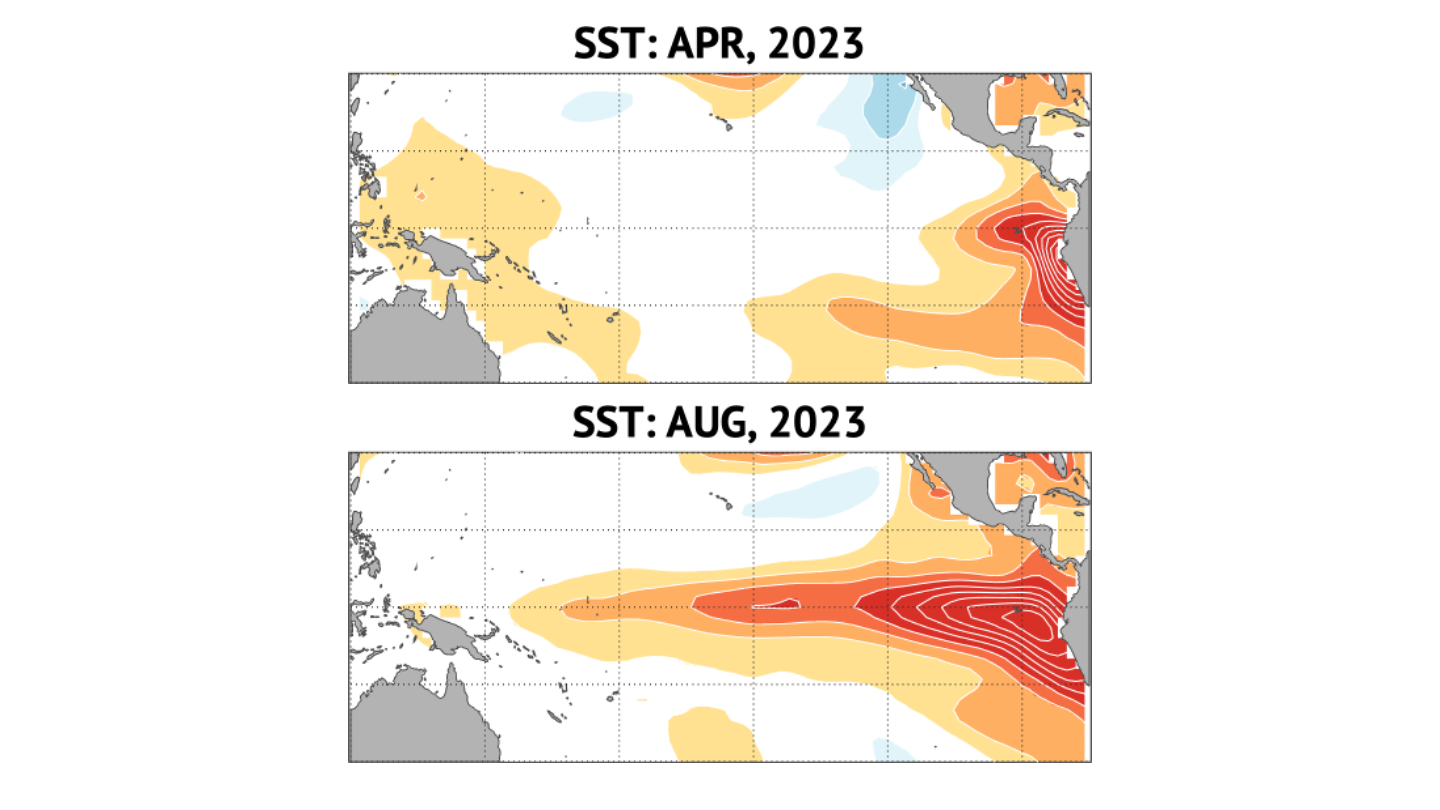
Understanding and Predicting ENSO
El Niño / the Southern Oscillation (ENSO) is the most important source of seasonal to multi-year climate variability on Earth. Our group develops new models and analyses for understanding and predicting ENSO variability and change.
Aerosol / Cloud Interactions
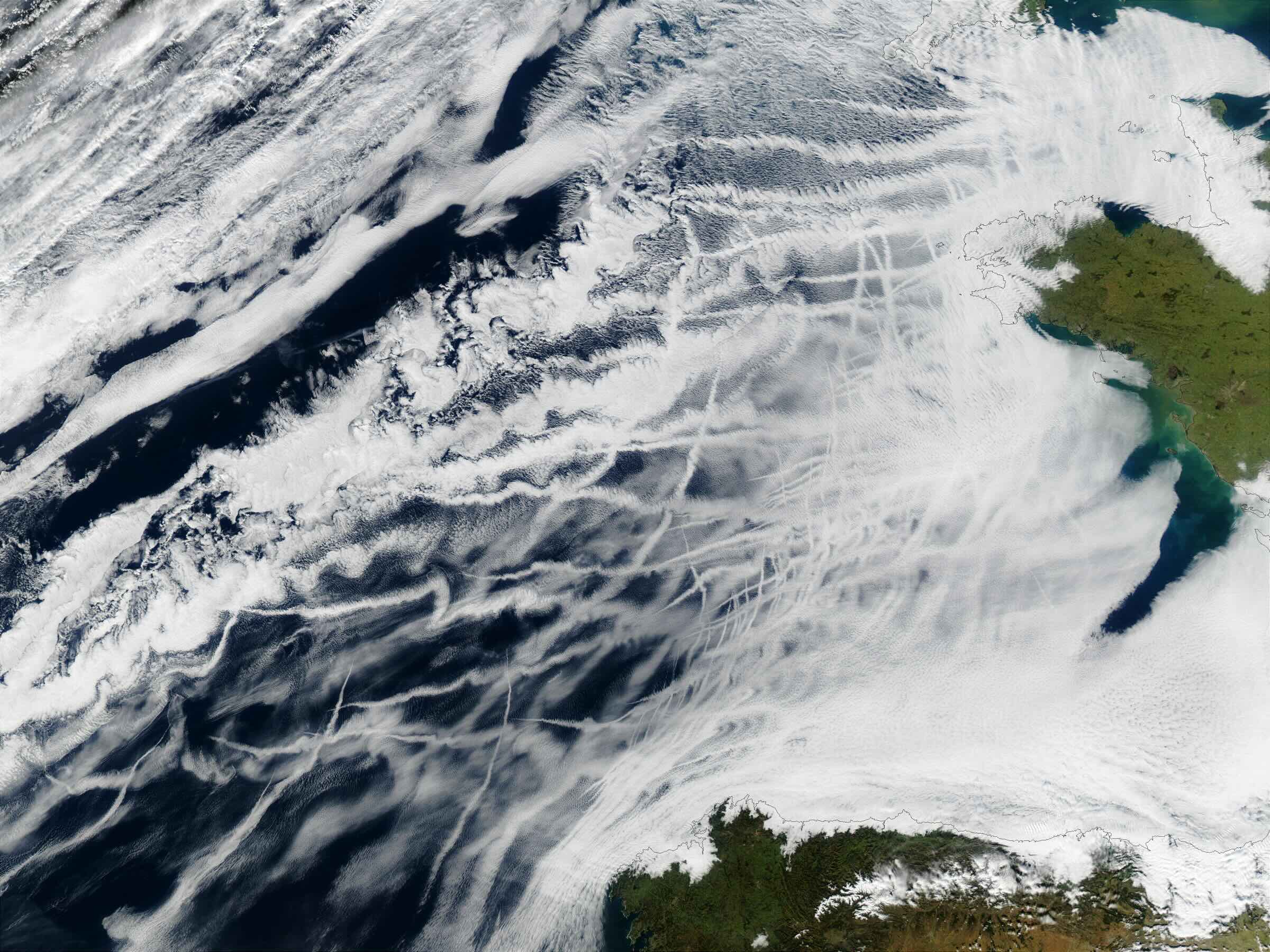
Aerosol / cloud interactions are a major source of uncertainty in estimating radiative forcing for historical and future climate change. We study the impact of those interactions in historical ocean / atmosphere variability.
Meridional Modes
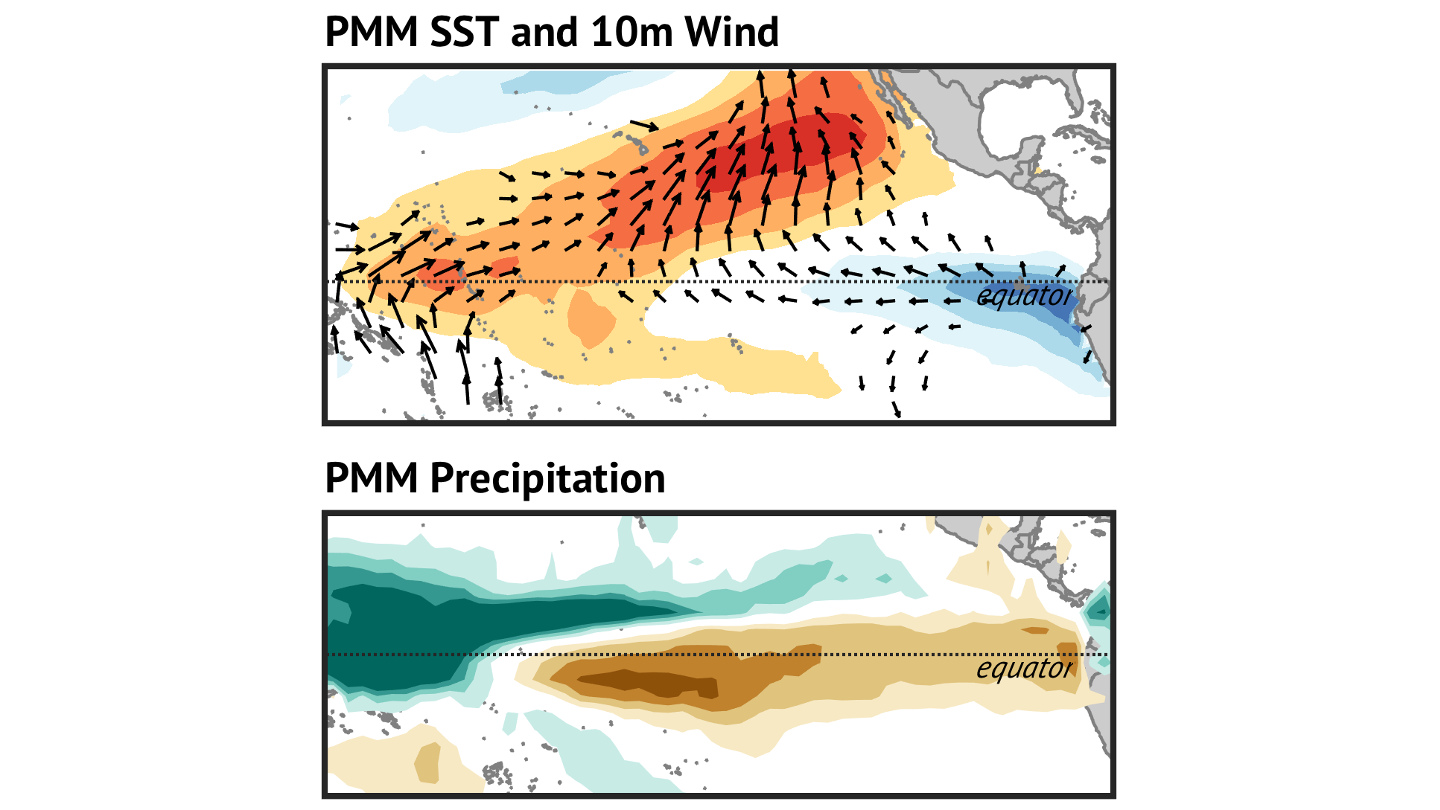
Meridional Modes are structures that link the midlatitudes and tropics through coupled ocean / atmosphere interactions in the subtropics. Our work on meridional modes span observational, theoretical, and model analyses.
Climate Impacts
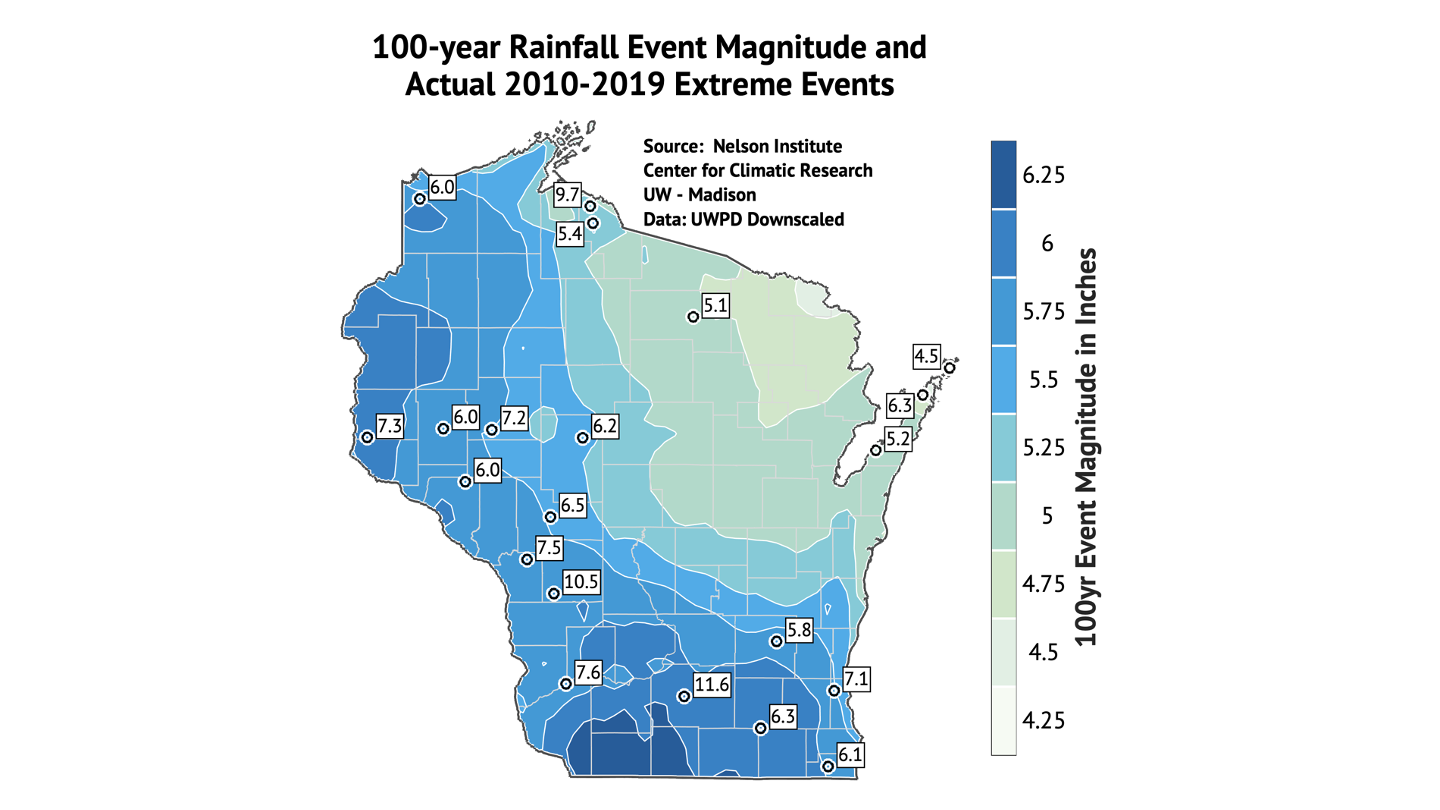
Climate solutions require close communication between scientists, managers, citizens, and much more. The Wisconsin Initiative on Climate Change Impacts (WICCI) is designed to foster these interactions to plan for expected climate change in Wisconsin.